
Emial Us :
iven@hjauto.com.cn
اترك رسالة
إذا كنت مهتمًا بمعداتنا وتريد معرفة المزيد من التفاصيل، فيرجى ترك رسالة هنا.سوف نتصل بك في أقرب وقت ممكن.
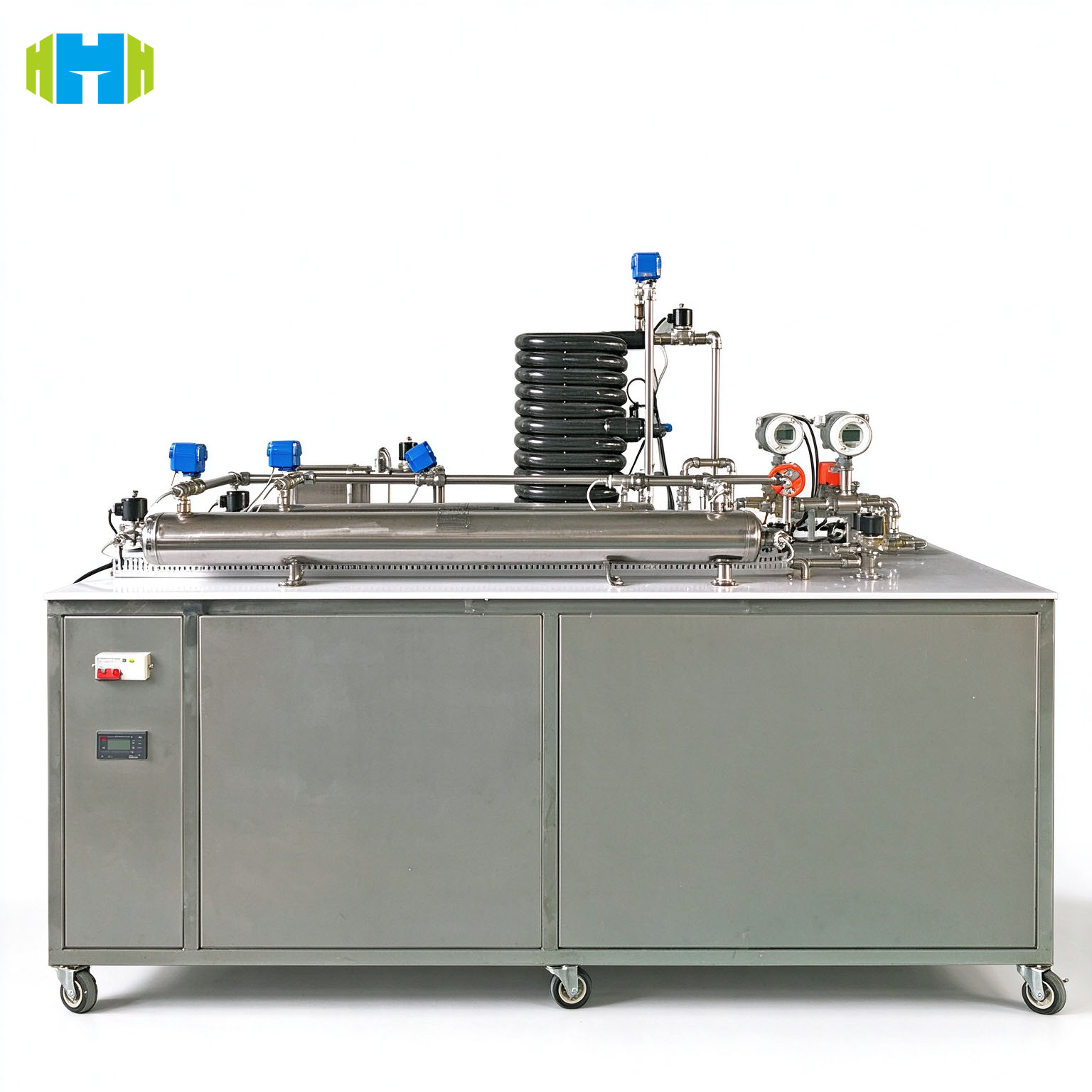
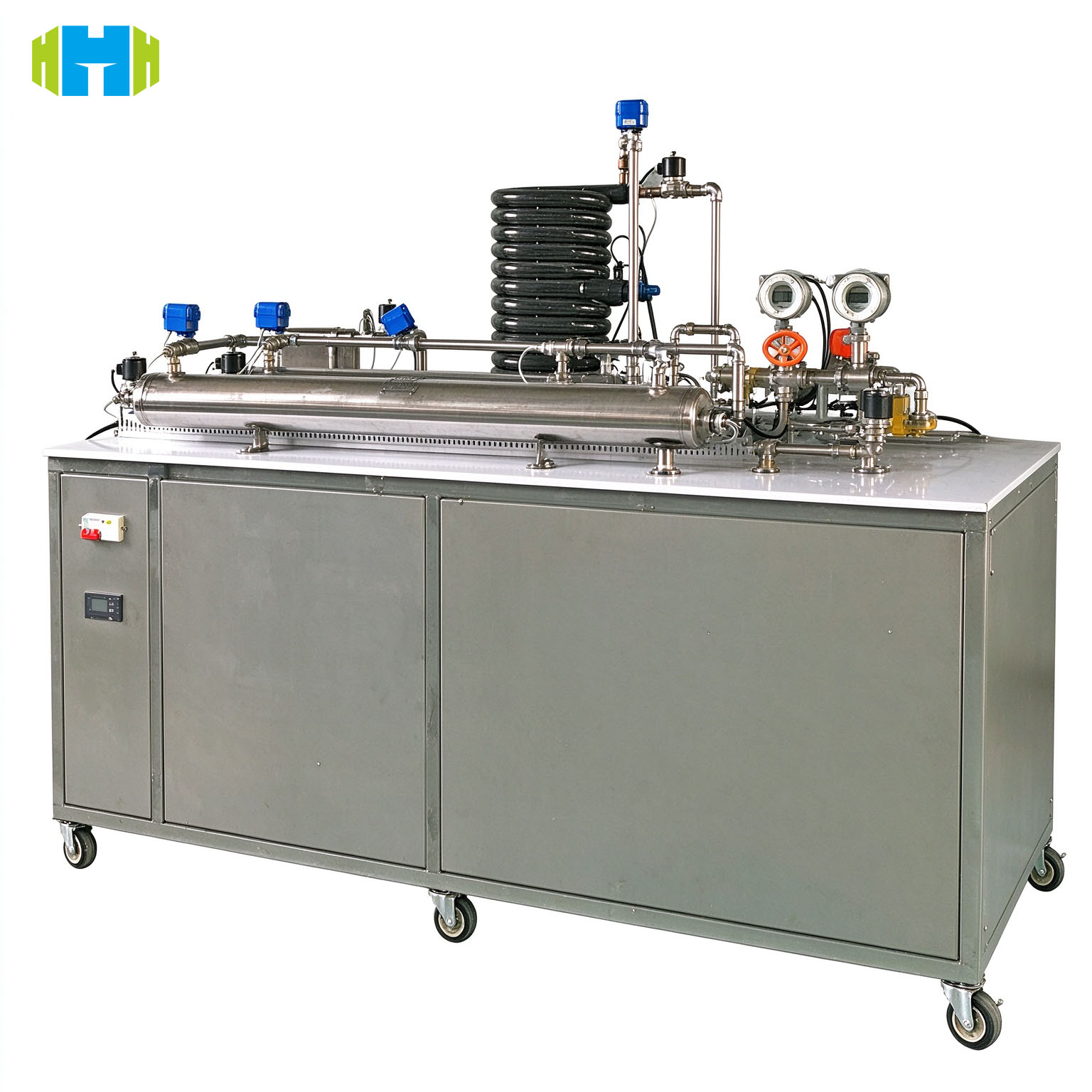
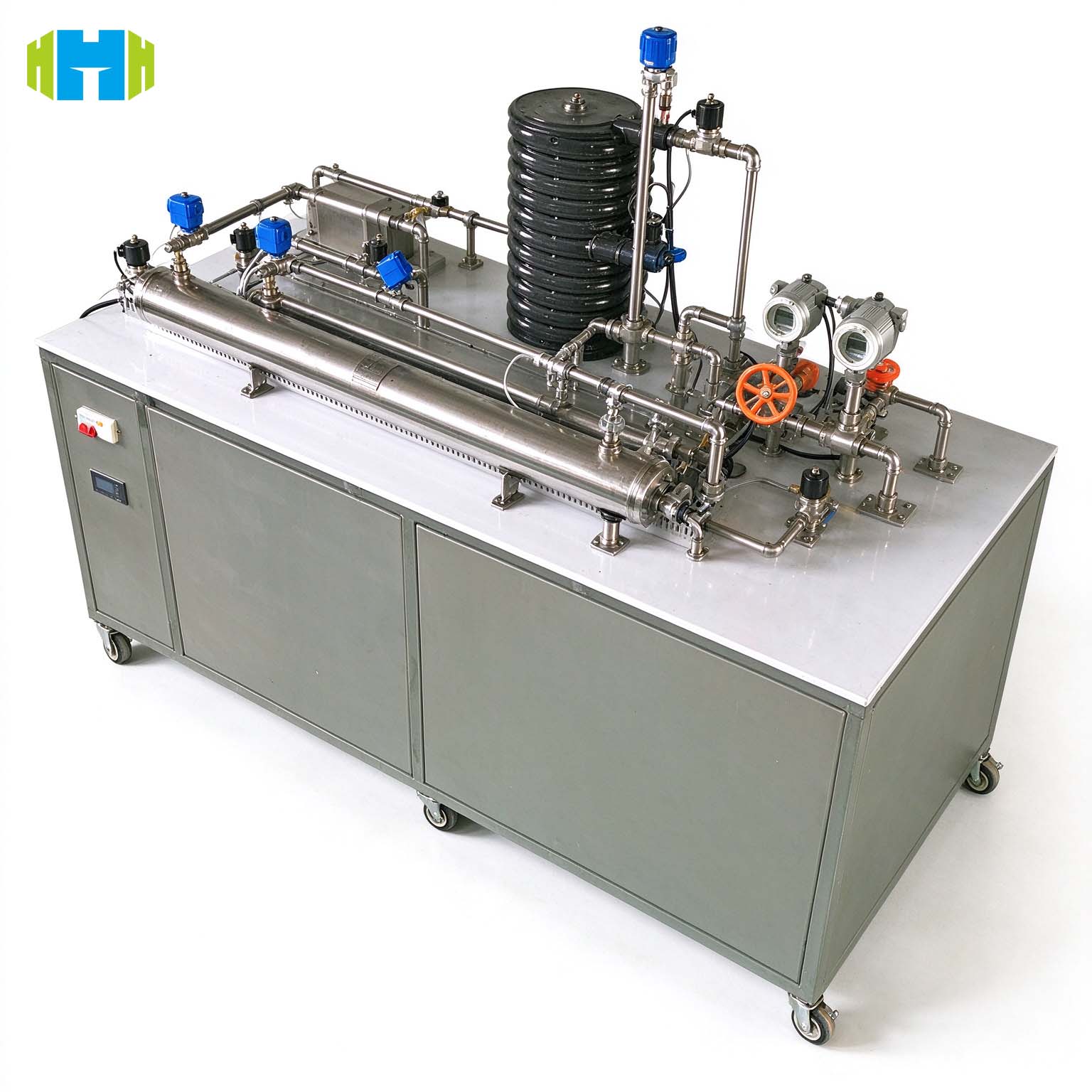
Evaluate double-pipe, plate, shell-and-tube and helical-coil heat exchangers with PLC control, PT100 temperature monitoring, data logging and thermal performance curve analysis.
رقم الصنف :
HONGCEالنظام (موك) :
HC-ACPT006دفع :
Calibration Certificate(Cost Additional)أصل المنتج :
CHINAطريقة الدفع :
T/T , T/Cالتعبئة والتغليف العادية :
PlywoodUnderstanding heat exchanger performance requires more than observing temperature changes. Engineers need reliable measurements, repeatable experimental conditions, and a clear way to compare how different structures and flow arrangements influence heat transfer.
This comprehensive heat exchanger test rig brings four types of heat exchangers together on one test platform. Users can investigate their structural characteristics, monitor hot- and cold-fluid temperatures, compare parallel-flow and counter-flow arrangements, and collect experimental data for further analysis.
The equipment combines PLC-based control, Modbus and Ethernet communication, a stainless steel construction, and integrated data management functions. Experimental data and operating parameters can be displayed on the same screen, with data acquisition, storage, and printing available for convenient review and documentation.
For laboratories seeking a practical connection between thermal engineering theory and experimental work, this heat exchanger test system provides a structured environment for observing heat transfer behavior and developing a deeper understanding of exchanger performance.
The test bench incorporates four heat exchanger types with different heat transfer areas:
This arrangement helps users compare the structural characteristics and thermal behavior of different exchanger designs without relying on a single-type experimental setup.
The system uses PLC control and supports standard Modbus and Ethernet communication. Host-computer operation provides a centralized way to manage experiments, monitor operating parameters, and review acquired data.
Communication and status-display functions also help operators check the data acquisition system and communication status during testing.
PT100 temperature sensors are specified with an accuracy of ±1°C. The equipment provides 12 temperature measurement points across the four heat exchangers, according to the supplied technical specification.
These measurements allow users to observe temperature changes between the inlet and outlet conditions of the hot and cold fluids and compare the thermal behavior of different exchanger configurations.
The test bench includes two differential-pressure measurement points. These support pressure-difference observations during applicable experiments and help users study the relationship between fluid-side pressure behavior and heat exchanger operation.
The heat exchanger shell material, heat exchanger tube material, and hot- and cold-water piping are specified as 304 stainless steel.
This construction provides a practical solution for repeated laboratory experiments involving water circulation and routine equipment operation.
Experimental data and operating parameters can be displayed on the same screen. The system supports data acquisition, storage, and printing, helping users preserve experimental records for comparison, teaching, and technical review.
The equipment is supplied with 3D interactive simulation software and an engineering thermodynamics teaching management platform.
This combination supports practical demonstrations and helps connect experimental observations with the underlying principles of heat transfer and thermal engineering.
This performance test code addresses testing methods for single-phase heat exchangers, including instrumentation, measurement methods, and calculations used to determine thermal performance.
Relevant sections include:
| Parameter | Specification |
|---|---|
| Equipment type | Comprehensive heat exchanger performance test bench |
| Heat exchanger quantity | 4 types |
| Double-pipe heat exchanger area | 1.1 m² |
| Plate heat exchanger area | 1.0 m² |
| Shell-and-tube heat exchanger area | 1.2 m² |
| Helical-coil heat exchanger area | 1.2 m² |
| Heat exchanger shell material | 304 stainless steel |
| Heat exchanger tube material | 304 stainless steel |
| Hot- and cold-water pipe material | 304 stainless steel |
| Temperature sensor | PT100 |
| Temperature sensor accuracy | ±1°C |
| Total temperature measurement points | 12 across the four heat exchangers |
| Differential pressure measurement points | 2 |
| Control system | PLC |
| Cold-to-hot water tank volume ratio | 3:1 |
| External overflow drainage pipe length | Greater than 5 m |
| Working conditions | Room temperature; normal pressure |
| Power supply | AC 380 V |
| Total power | 5.5 kW |
| Overall dimensions | 2000 × 1000 × 1500 mm |
The system supports thermal engineering, heat transfer, mechanical engineering, and related practical teaching activities. Students can observe temperature changes and compare different exchanger structures through guided experiments.
R&D teams can use the rig to investigate basic thermal behavior, compare configured flow arrangements, organize measured data, and study performance trends under selected experimental conditions.
The four exchanger configurations provide a platform for studying design differences and the relationship between exchanger structure, temperature profiles, and observed thermal behavior.
The PLC-controlled interface, centralized data display, and interactive simulation software support demonstrations, practical training, and structured experimental records.
Engineering teams can use the measured data to support comparative investigations and internal research. Formal product acceptance or certification testing requires a separately defined test procedure and verified instrumentation appropriate to the intended application.
A heat exchanger performance test bench is used to investigate heat transfer behavior by measuring relevant operating conditions and analyzing the resulting data. This model is configured for experiments involving four heat exchanger types, temperature monitoring, differential-pressure observations, and performance curve plotting.
The specified configurations are double-pipe, plate, shell-and-tube, and helical-coil heat exchangers. Their heat transfer areas are 1.1 m², 1.0 m², 1.2 m², and 1.2 m², respectively.
Yes. Comparing the thermal behavior of parallel-flow and counter-flow arrangements is one of the stated experimental objectives. The specific procedures and available measurement channels should be confirmed for the intended experiment.
The supplied specification identifies PT100 temperature sensors with an accuracy of ±1°C and specifies 12 temperature measurement points across the four heat exchangers.
Yes. The system supports data acquisition, on-screen display, storage, and printing of experimental data and operating parameters.
The stated configuration includes PLC control, Modbus communication, Ethernet communication, and host-computer operation. The detailed communication protocol mapping and external system integration requirements should be confirmed during configuration.
The supplied specification confirms data acquisition, performance curve plotting objectives, and experimental data management, but it does not list the required flow-measurement hardware or calculation accuracy for these derived parameters. If automatic calculation of heat-transfer rate, LMTD, or overall heat transfer coefficient is required, confirm the available calculation functions and the additional measurement requirements before ordering.
When selecting a heat exchanger test rig, the question is not only how many parameters appear on the screen. It is also whether the equipment supports the experiments your team needs to perform and whether the resulting data can be used effectively.
| Comparison point | Typical single-type setup | This heat exchanger test bench |
|---|---|---|
| Heat exchanger configurations | May focus on one exchanger type | Four exchanger types with specified heat transfer areas |
| Flow arrangement study | Depends on the individual configuration | Designed to support comparison of parallel and counter flow |
| Temperature measurement | Depends on system configuration | 12 temperature measurement points specified |
| Differential pressure | Depends on system configuration | 2 differential-pressure measurement points specified |
| Control and communication | Varies by system | PLC, Modbus, and Ethernet |
| Data management | May require separate recording arrangements | On-screen display, data acquisition, storage, and printing |
| Teaching support | Depends on the supplied software | 3D interactive simulation software and an engineering thermodynamics teaching platform |
More experimental variety in one platform
Four heat exchanger configurations help broaden the scope of practical experiments and comparisons.
A clearer connection between theory and observation
Temperature readings and recorded data provide a basis for discussing heat transfer behavior rather than relying only on theoretical explanations.
A more organized experimental workflow
PLC control, communication functions, and centralized data handling help keep operating information and test records together.
Support for educational and engineering applications
The included simulation and teaching platform provides an additional resource for guided experiments and thermal engineering demonstrations.
The most suitable configuration ultimately depends on the required sample types, intended measurements, and reporting criteria. Buyers who need formal performance ratings should check the instrument requirements carefully before selecting the test bench.

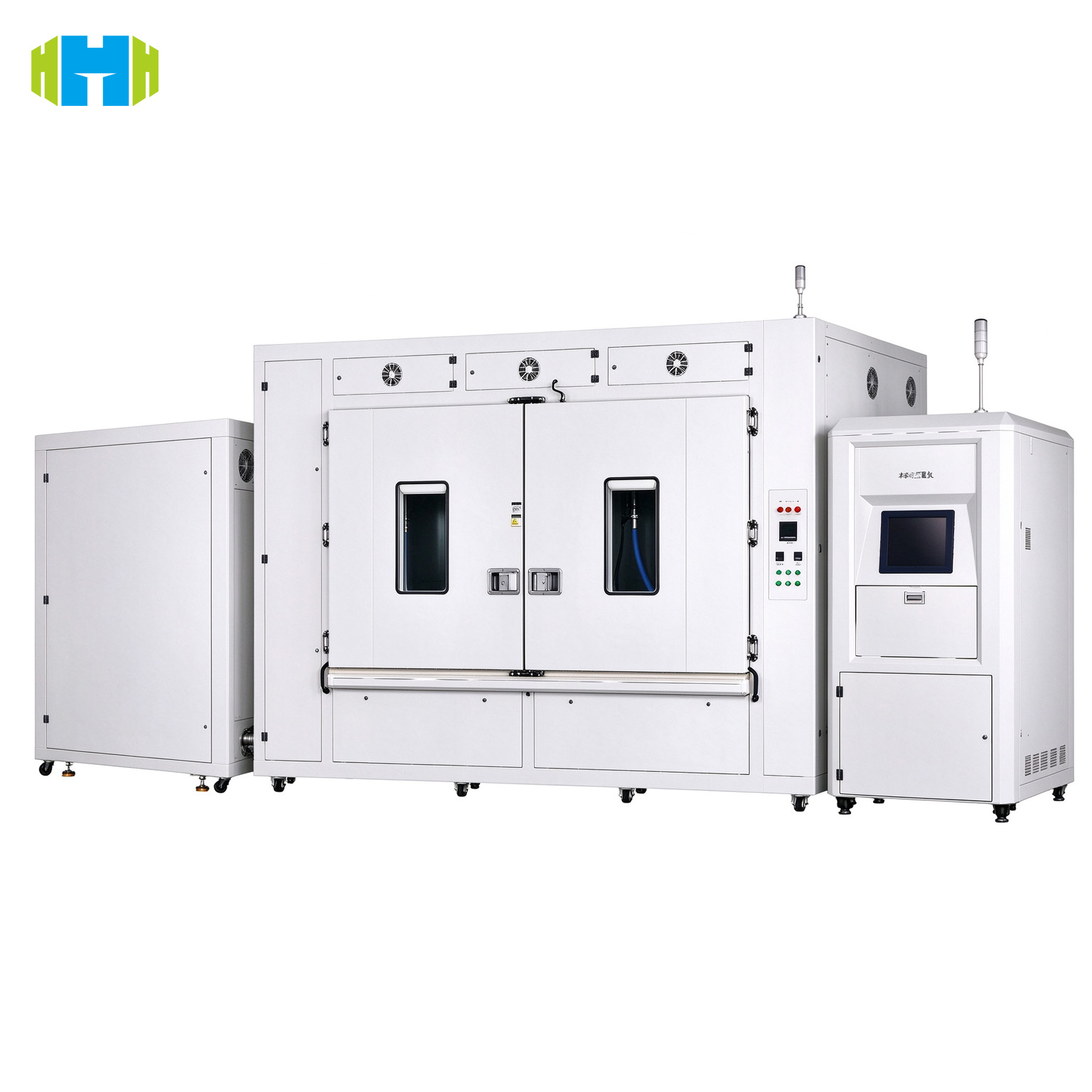
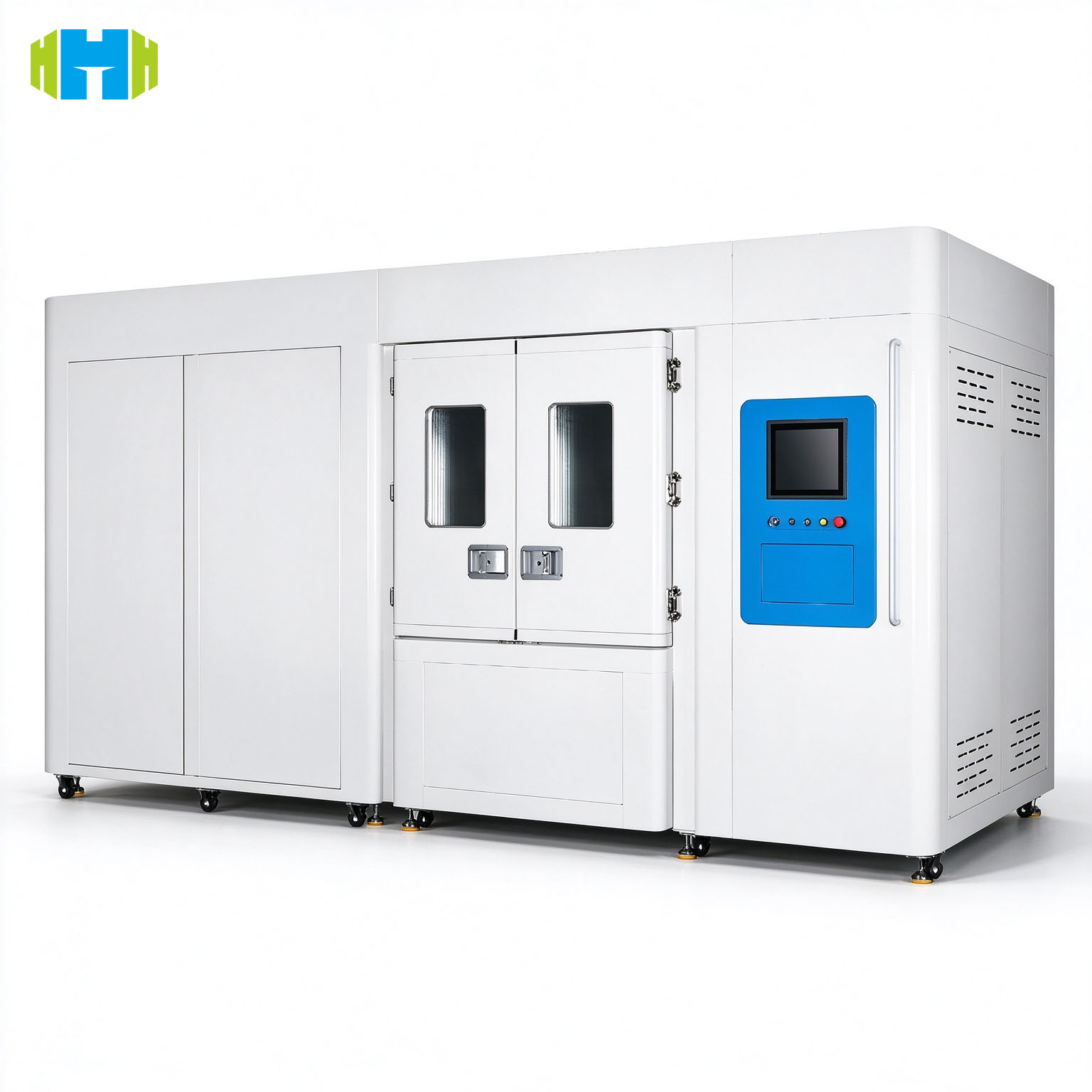
A radiator or heat exchanger must do more than transfer heat efficiently. It also needs to withstand repeated temperature changes and coolant circulation throughout its service life. The Heat Exchanger Thermal Cycle Test Bench is designed to help manufacturers and testing laboratories evaluate the thermal cycling durability of liquid-cooled heat exchangers under controlled test conditions.
التفاصيل
Evaluate double-pipe, plate, shell-and-tube and helical-coil heat exchangers with PLC control, PT100 temperature monitoring, data logging and thermal performance curve analysis.
التفاصيل
Our pressure pulse test bench replicates real cyclic pressure stress to validate HVAC radiator & heat exchanger fatigue life. HONGCE, a direct in-house R&D manufacturer, delivers custom test solutions for the global AC and refrigeration industries.
التفاصيل
يجمع مقعد اختبار أداء المبادل الحراري متعدد المحطات بين الكفاءة والدقة وسهولة التشغيل، مما يجعله خيارًا مثاليًا لاختبار أداء المبادل الحراري. من خلال اختبار محطات متعددة في وقت واحد، يمكنك توفير الكثير من الوقت ومساعدتك في تحسين كفاءة الإنتاج لديك.
التفاصيل
صُممت منصة اختبار رطوبة مكثف ومبخر تكييف الهواء خصيصًا للبحث والتطوير ومراقبة جودة مكونات التبريد. تتميز هذه المنصة بالكشف السريع وتحليل بيانات الرطوبة المتبقية، مما يساعد الشركات على تحسين موثوقية المنتجات.
التفاصيل
صُممت منصة اختبار محتوى غبار مكثفات مكيفات الهواء خصيصًا للكشف عن بقايا الشوائب في المكونات الأساسية لمكيفات الهواء (المكثفات والمبخرات). تستخدم المنصة نظام محاكاة دوران ذكيًا لتنظيف الجسيمات وجمعها بدقة، لضمان نظافة المنتج وأدائه.
التفاصيلساعات العمل لدينا
الإثنين 21/11 - الأربعاء 23/11: 9 صباحًا - 8 مساءً
الخميس 24/11: مغلق - عيد شكر سعيد!
الجمعة 25/11: 8 صباحًا - 10 مساءً
السبت 26/11 - الأحد 27/11: 10 صباحًا - 9 مساءً
(جميع الساعات بالتوقيت الشرقي)

 en
 ar